





What Is Art Direction in Slot Games?
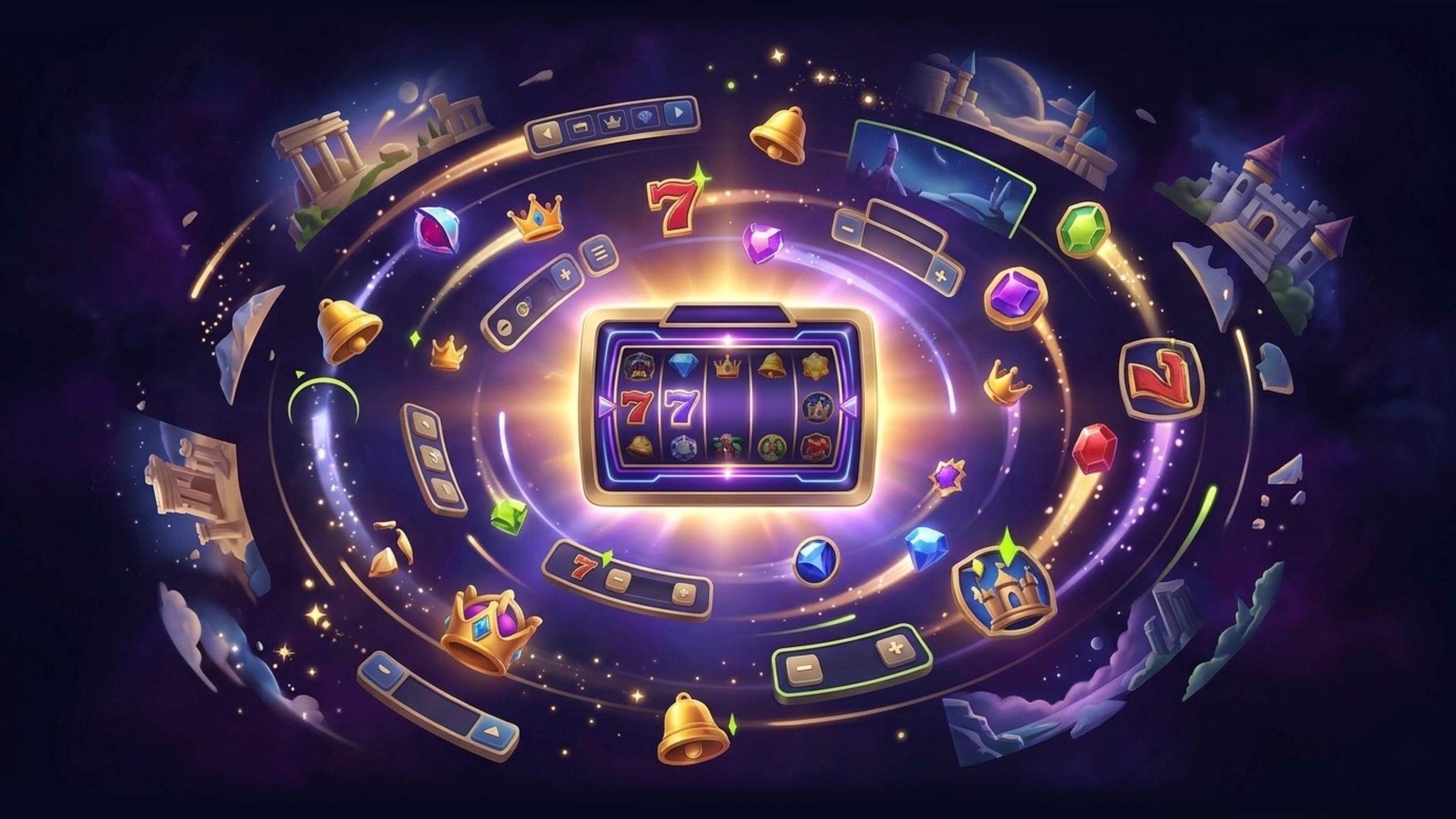
Art direction is the process of defining and maintaining a visual vision throughout development.
It goes beyond creating assets.
An art director helps determine:
- visual style
- color language
- lighting approach
- character design principles
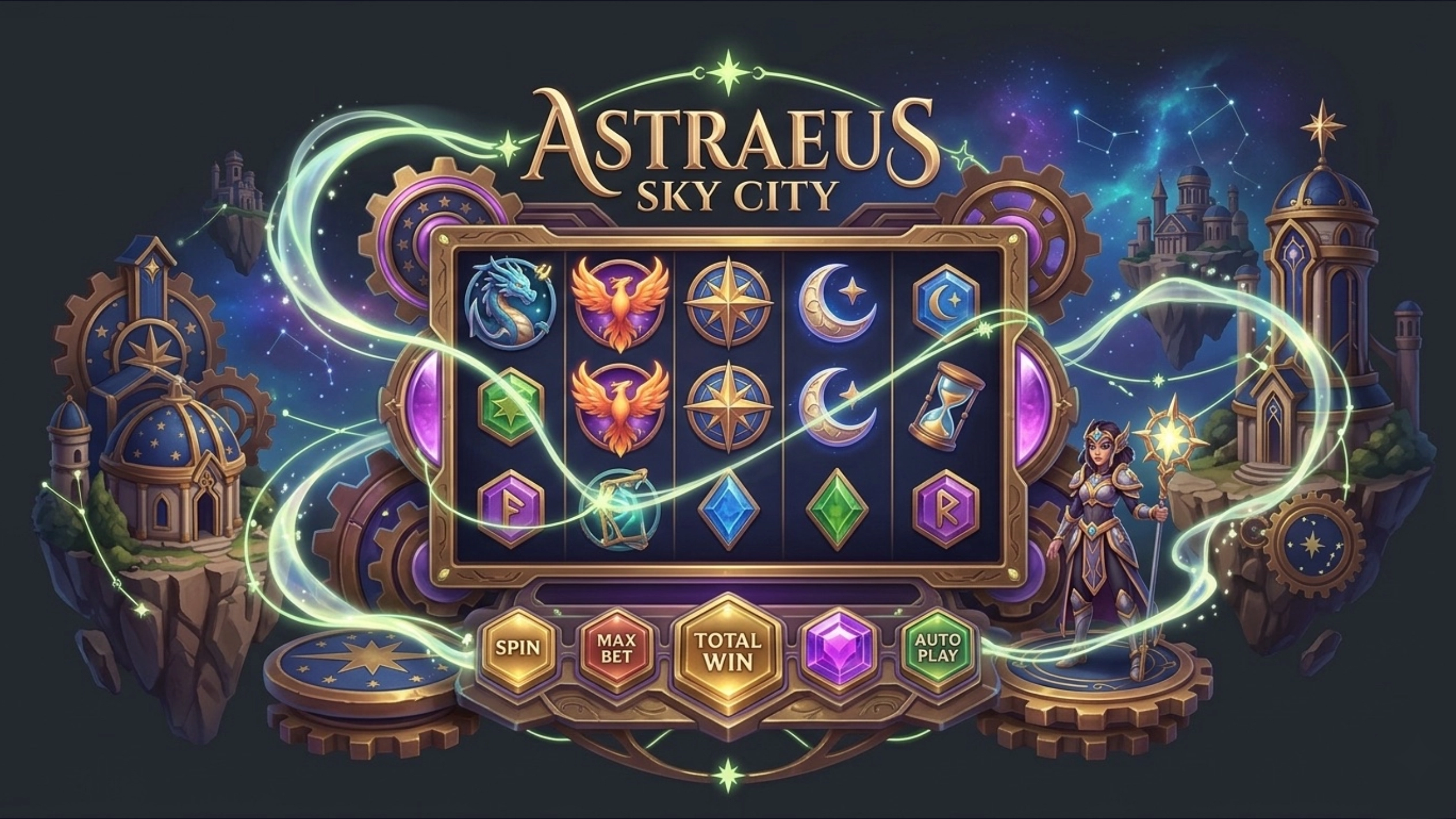
- UI behavior
- animation tone
- overall player perception
The goal is to ensure that every visual element supports the same creative vision.
In practice, art direction acts as the bridge between game design, production, and player experience.
Good Art Does Not Guarantee a Good Game
Many slot projects contain excellent individual assets.
The symbols are professionally rendered. The UI is polished. The background is visually impressive.
Yet the game still feels inconsistent.
Why?
Because players do not experience assets individually.
They experience the game as a system.
If the symbols feel playful but the UI feels serious, if the animation style doesn't match the theme, or if the background competes with gameplay elements, the overall experience becomes fragmented.
Players may not consciously identify the problem.
But they notice the feeling.
Strong art direction prevents these disconnects.
First Impressions Are Shaped by Art Direction
Players form opinions about a slot game within seconds.
Before they understand the mechanics, they evaluate:
- visual quality
- theme clarity
- mood
- trustworthiness
- perceived value
Art direction controls these first impressions.
A game with clear visual hierarchy and a strong identity immediately feels more professional than one with inconsistent visual decisions.
This matters because first impressions influence:
- click-through rates
- session starts
- retention
- player expectations
In many cases, art direction impacts player acquisition before gameplay begins.
Consistency Creates Trust
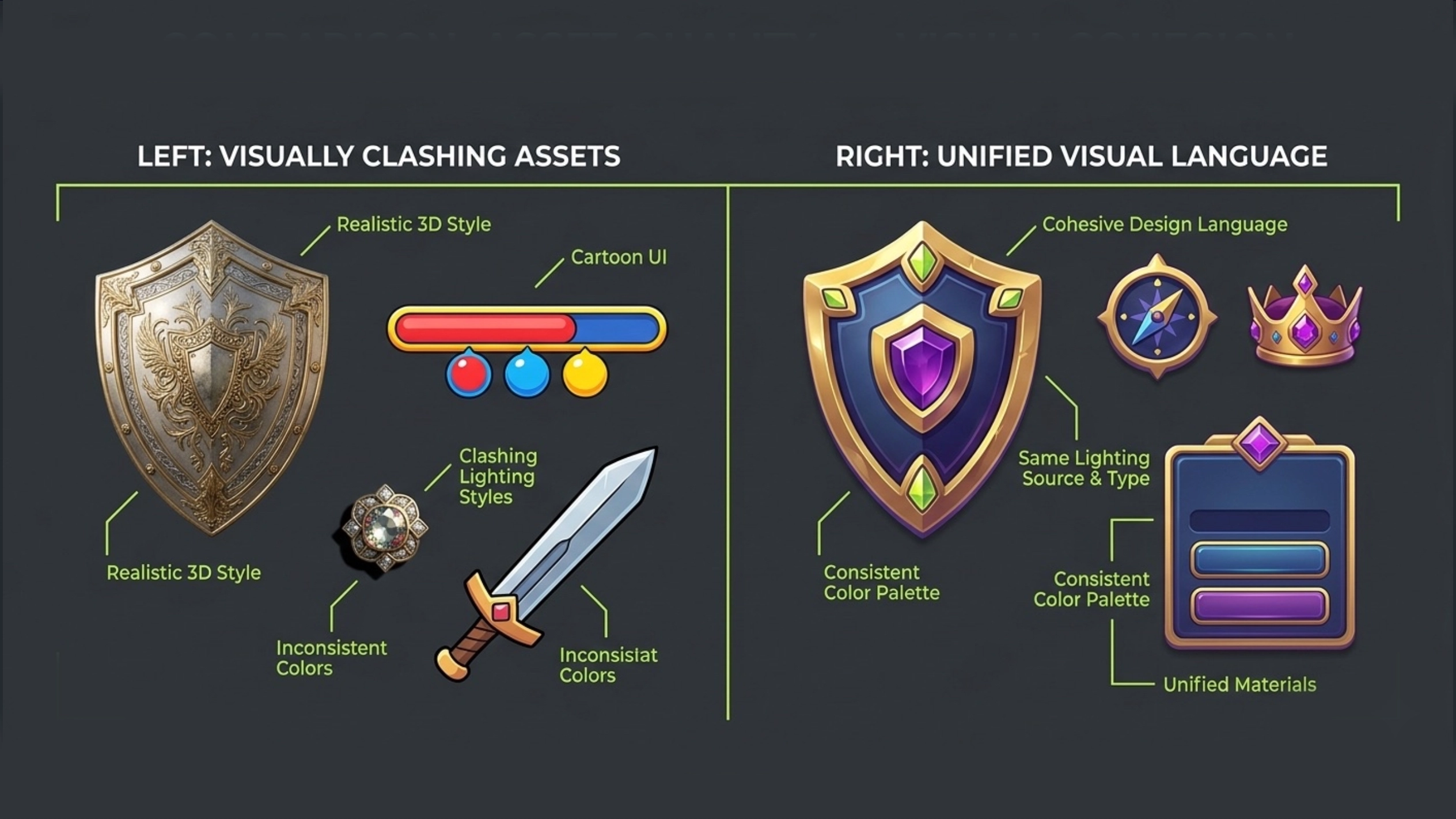
One of the most important functions of art direction is consistency.
Humans naturally look for patterns.
When visual elements follow predictable rules, the brain processes information more efficiently.
This creates a sense of trust.
Players quickly understand:
- what is important
- what is interactive
- what represents value
- where attention should focus
Inconsistent visual systems require more mental effort to process.
The game becomes harder to read and less enjoyable to play.
Consistency reduces friction.
Strong Themes Require Strong Direction
Themes are one of the biggest differentiators in slot games.
But themes are not created by symbols alone.
A mythology slot does not feel mythological because it contains a few ancient artifacts.
A fantasy slot does not feel immersive because it includes dragons.
Themes become believable when every visual element supports the same world.
Art direction ensures that:
- symbols
- UI
- backgrounds
- animations
- effects
- typography
all reinforce the same creative vision.
This creates immersion.
Art Direction Influences Emotional Feedback
Visual design plays a major role in shaping emotional response.
Players react to:
- anticipation
- tension
- reward perception
- excitement
- pacing
Art direction determines how these emotions are communicated visually.
For example:
A premium slot may use restrained animations and sophisticated lighting.
A casual slot may use brighter colors and more energetic feedback.
Neither approach is inherently better.
The key is alignment.
When emotional feedback matches the game's intended experience, engagement becomes stronger.
Differentiation Is Becoming More Important
Casino lobbies are increasingly crowded.
Thousands of slot games compete for player attention.
As visual quality across the industry improves, differentiation becomes harder.
Art direction is one of the few tools that can create meaningful distinction.
Many games have good assets.
Far fewer have a recognizable visual identity.
Strong art direction helps a game stand out without relying on excessive effects or visual noise.
Art Direction Improves Production Efficiency
Art direction is often viewed purely as a creative discipline.
In reality, it also improves production.
When visual standards are clearly defined:
- approvals happen faster
- revisions decrease
- outsourcing becomes easier
- production becomes more predictable
Artists spend less time guessing.
Stakeholders spend less time debating subjective decisions.
The entire pipeline becomes more efficient.
This is one reason why experienced studios invest heavily in style guides and visual frameworks before large-scale production begins.
Poor Art Direction Creates Hidden Costs
The absence of strong art direction usually doesn't cause immediate failure.
Instead, it creates small inefficiencies throughout development.
Examples include:
- inconsistent feedback
- repeated revisions
- unclear priorities
- visual contradictions
- stakeholder disagreements
Each issue appears manageable on its own.
Together, they can significantly increase production costs and timelines.
Many projects that seem to have "production problems" are actually experiencing art direction problems.
Why Art Direction Matters for Mobile
Mobile-first development makes art direction even more important.
Small screens leave less room for visual complexity.
Every element must support clarity and readability.
Strong art direction helps establish:
- visual hierarchy
- contrast rules
- spacing systems
- animation priorities
Without these standards, mobile experiences often become cluttered and difficult to navigate.
Players Remember Experiences, Not Assets
Very few players remember individual symbols after a session.
What they remember is the overall feeling.
Was the game exciting?
Did it feel premium?
Was it easy to understand?
Did it stand out from other slots?
These impressions are shaped by art direction.
It is the layer that connects all visual components into a single experience.
Art Direction Becomes More Valuable as Studios Scale
As production volume increases, maintaining consistency becomes more difficult.
Multiple artists, external partners, and parallel projects introduce complexity.
Strong art direction acts as a stabilizing force.
It ensures that growth does not come at the expense of quality.
For studios producing multiple games per year, art direction becomes a strategic asset rather than a creative luxury.
Conclusion
Successful slot games are not simply collections of beautiful assets.
They are cohesive visual systems guided by strong art direction.
Good art direction improves player perception, strengthens emotional engagement, accelerates production, and helps games stand out in competitive markets.
As the iGaming industry continues to grow, visual quality alone is no longer enough.
The studios that succeed will be the ones that combine strong assets with a clear and consistent creative vision.
Because players don't remember individual pieces of art.
They remember the experience those pieces create together.


.svg)


