






The Lobby Is a Different Environment
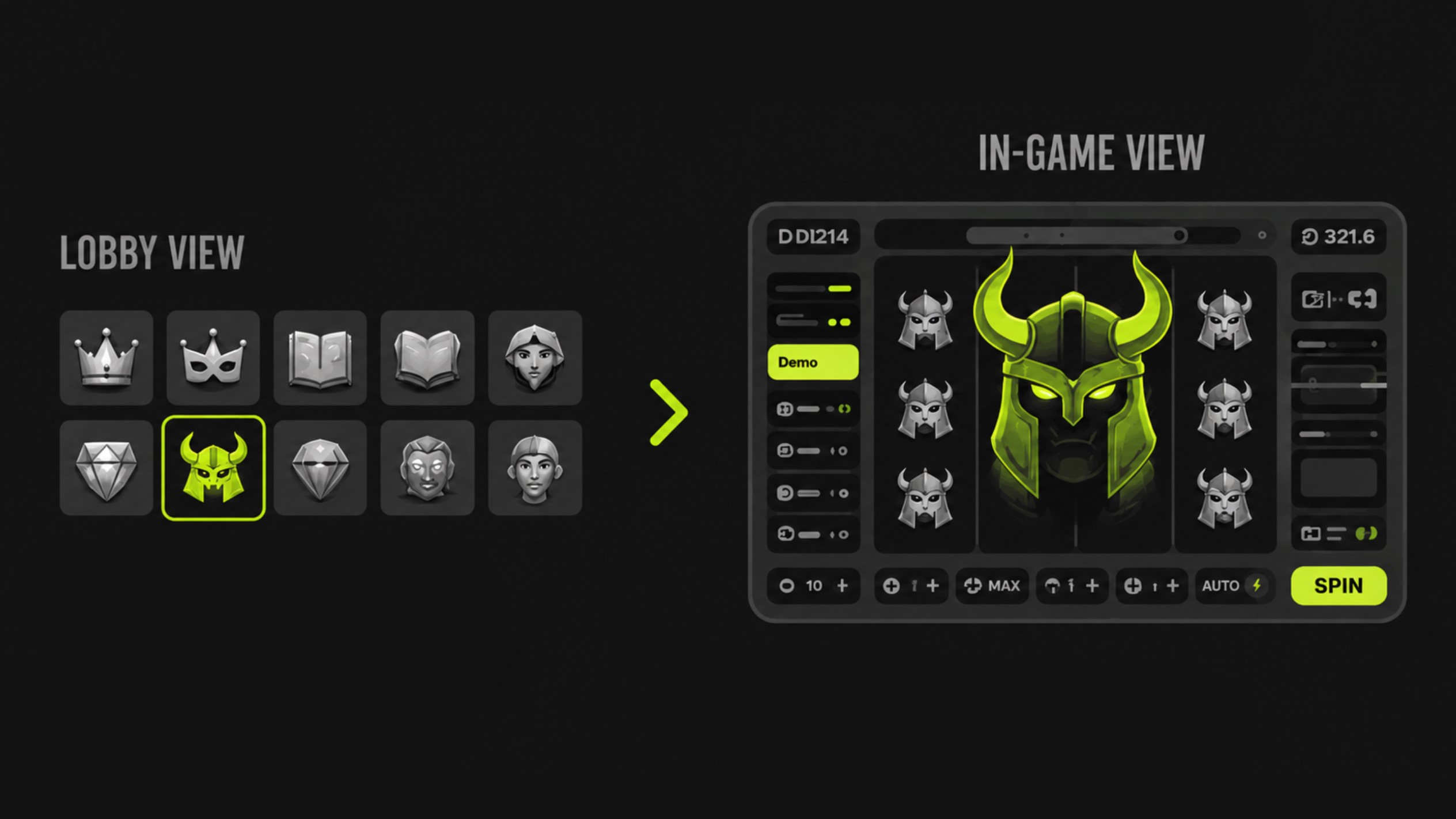
One of the biggest mistakes studios make is designing art only for the in-game experience.
Casino lobbies behave differently.
Inside the lobby, games compete in a compressed visual environment where players scan titles rapidly and make decisions within seconds. At that stage, the game is not being evaluated as a full product. It is being evaluated as a thumbnail.
This changes the role of art completely.
Visuals that work well in-game do not always work well in a casino lobby. Highly detailed compositions, subtle color palettes, or overloaded interfaces often lose clarity when reduced to small preview sizes.
What matters in the lobby is immediate recognition.
First Impression Happens Before Gameplay
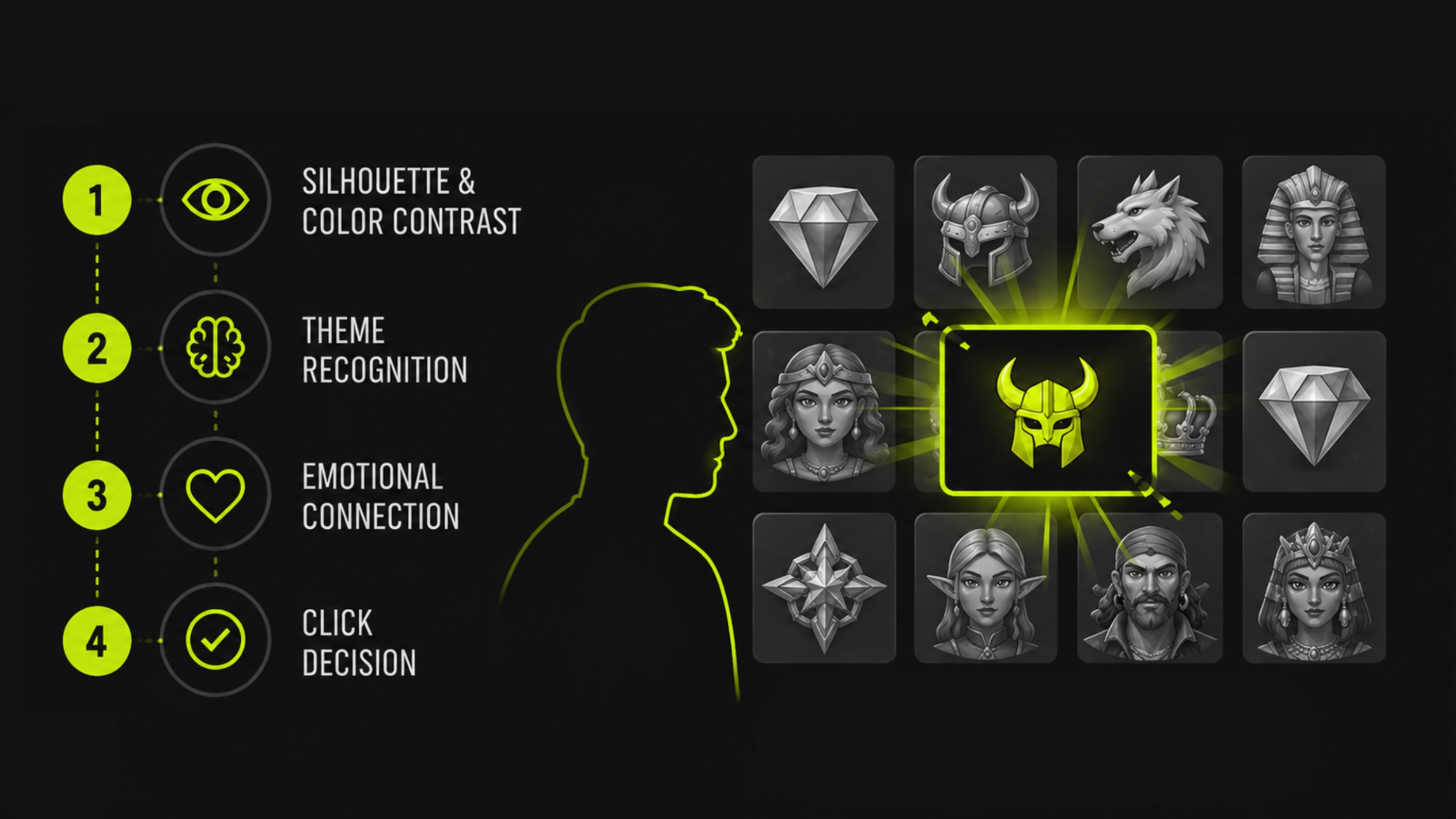
When players scroll through a casino lobby, they usually process games in layers.
First comes silhouette and color contrast. Then theme recognition. Only after that do smaller details begin to matter.
This means the strongest-performing slot visuals are often not the most complex. They are the ones that communicate clearly and instantly.
Games that feel visually confusing or visually generic are easier to ignore, even if the production quality is technically high.
In practice, lobby conversion depends heavily on whether a player can immediately understand:
- what kind of game this is
- what emotional tone it has
- whether it feels modern or outdated
- whether it looks trustworthy and polished
All of that is communicated through art before gameplay even begins.
Why Readability Matters More Than Detail
Many slot games lose visibility because they are designed at full scale without considering how assets behave at thumbnail size.
Small preview images compress information aggressively. Symbols become harder to distinguish, typography loses clarity, and visual noise increases.
Games with strong lobby presence usually rely on simpler visual hierarchy. The main focal point remains visible even at small sizes, and the composition still reads clearly when surrounded by competing titles.
This is especially important on mobile, where lobby thumbnails become even smaller and players scroll faster.
A clean visual structure often performs better than excessive detail.
Theme Recognition Drives Faster Decisions
Players rarely stop to analyze a game’s mechanics before clicking.
More often, they react to familiar visual categories:
- fantasy
- mythology
- gems
- Asian themes
- dark horror
- adventure
- retro Vegas
This recognition happens almost instantly.
The faster a player understands the theme, the faster they decide whether the game matches their interests.
When themes are visually unclear or mixed inconsistently, the game requires more effort to process — and in a casino lobby, additional effort usually reduces conversion.
Visual Differentiation Is Critical
Casino lobbies are saturated with similar-looking games.
Because of this, visual differentiation becomes one of the strongest competitive advantages.
This does not necessarily mean using louder colors or more aggressive effects. In many cases, strong differentiation comes from a more controlled and recognizable visual identity.
Games that feel visually interchangeable tend to disappear into the lobby environment, while games with a distinct silhouette, stronger composition, or more confident art direction attract attention more naturally.
The goal is not simply to look attractive.
It is to be remembered among competing titles.
Perceived Quality Affects Trust
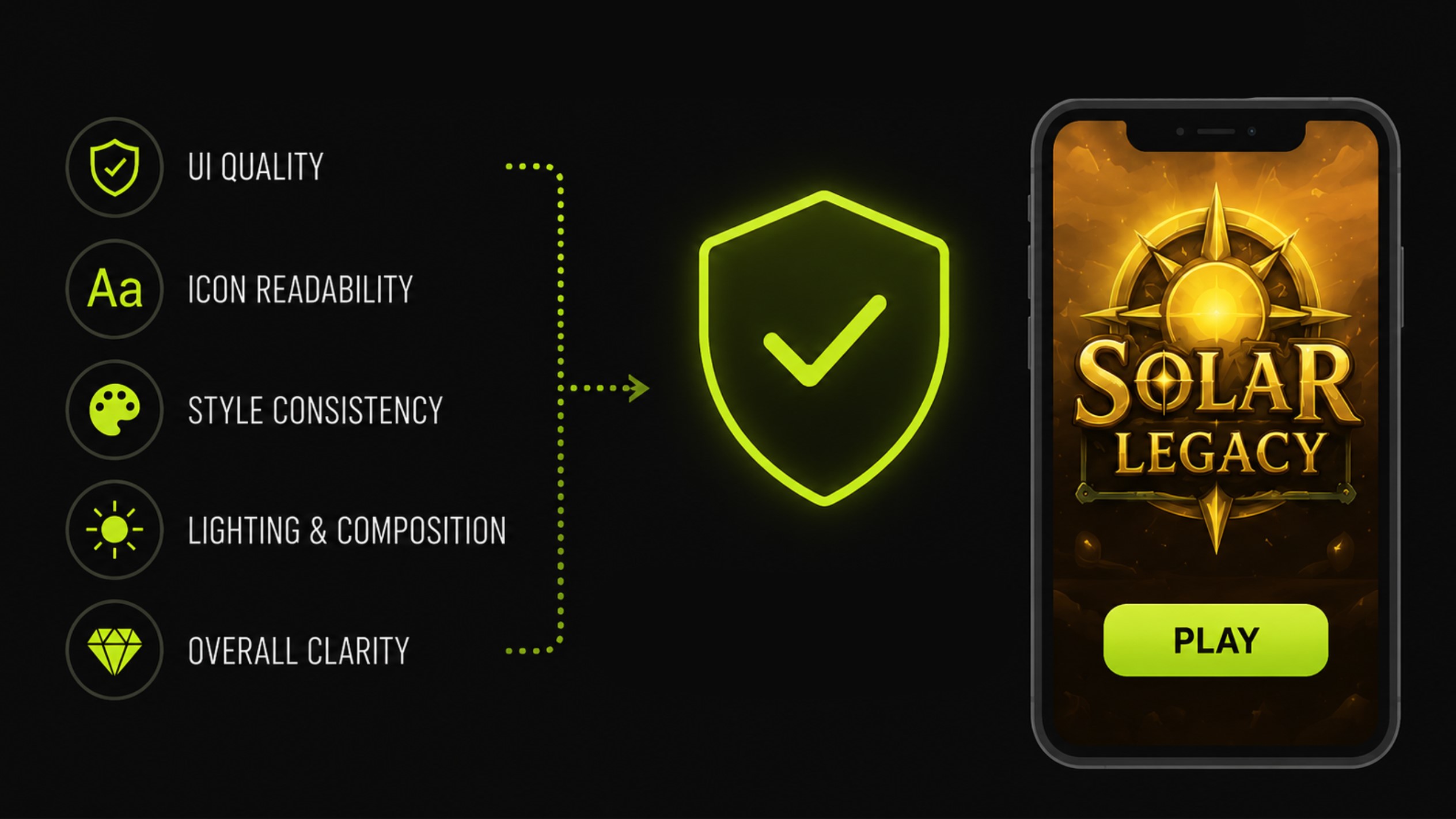
Players often associate visual polish with gameplay quality.
Even before launching a game, players make assumptions based on:
- UI quality
- icon readability
- consistency of style
- lighting and composition
- overall clarity
If a slot feels visually outdated or inconsistent, players may assume the gameplay experience is lower quality as well.
This is especially important in competitive markets where players constantly compare titles without consciously realizing it.
Premium visual presentation increases perceived trust before interaction even begins.
Mobile Changes Everything
Casino lobby behavior on mobile devices is even more aggressive.
Players scroll faster, preview sizes are smaller, and visual competition becomes stronger. Art that works on desktop may lose effectiveness completely when compressed into a mobile interface.
This is why mobile-first readability has become essential for modern slot art production.
Games designed with strong contrast, clear focal points, and simplified hierarchy tend to maintain visibility better across devices.
Conversion Does Not End After the Click
Lobby conversion is not only about attracting clicks. It also affects expectations.
The visual promise made inside the lobby needs to match the in-game experience. If the actual gameplay visuals feel inconsistent with the thumbnail or promotional image, players may lose trust quickly.
Strong slot art creates continuity between:
- lobby thumbnail
- loading screen
- gameplay experience
- reward feedback
This consistency improves both conversion and retention.
Why This Matters for Studios
For studios and aggregators, lobby conversion directly affects visibility and acquisition potential.
Even small improvements in click-through behavior can increase:
- game exposure
- player sessions
- overall engagement
As casino libraries continue growing, competition inside the lobby becomes more intense. Games are no longer competing only on mechanics — they are competing for attention.
And attention starts with art.
A More Strategic Approach to Slot Art
The strongest-performing slot games are rarely designed only as isolated gameplay experiences.
They are designed as products that need to succeed at multiple stages:
- attracting attention in the lobby
- converting curiosity into clicks
- maintaining engagement during gameplay
- reinforcing reward perception over time
This requires art direction that considers not only aesthetics, but also visibility, clarity, and player behavior.
Conclusion
Slot game art affects casino lobby conversion long before players experience the game itself.
Inside modern casino environments, visuals function as the first layer of communication between the game and the player. Clarity, differentiation, readability, and perceived quality all influence whether a player chooses to engage.
As competition in iGaming continues to grow, the ability to stand out inside the lobby becomes increasingly valuable.
Because before retention begins, the game still needs to earn the click.


.svg)


