



Premium Is a Perception, Not a Budget
One of the biggest misconceptions in slot production is that premium visuals are simply expensive visuals.
Higher budgets can certainly help, but they don't automatically create a premium experience.
Players don't know how much was spent on production.
They evaluate what they see:
- clarity
- consistency
- polish
- readability
- emotional impact
A game with strong visual direction and careful execution can often feel more premium than a larger project that lacks consistency.
This is why premium perception should be treated as a design objective rather than a spending objective.
Visual Consistency Is the Foundation
Most premium slot games share one common characteristic.
Everything feels like it belongs together.
The symbols, UI, background, animations, typography, and effects all appear to exist within the same visual world.
This sounds obvious, but many projects struggle with it.
A beautifully rendered background can lose its impact if the UI feels generic. Strong symbols can feel disconnected if animation styles differ dramatically across the game.
Premium experiences feel cohesive.
Players may not consciously notice the consistency, but they notice when it's missing.
Strong Art Direction Creates Premium Perception
Art direction plays a major role in determining whether a game feels expensive or amateur.
Without clear direction, teams often make dozens of independent visual decisions that never fully align.
The result is a game that feels visually fragmented.
Strong art direction ensures that every component supports the same vision.
This includes:
- color palette
- lighting approach
- visual hierarchy
- animation behavior
- mood and atmosphere
When all these elements reinforce each other, the game feels intentional.
Intentional design often feels premium.
Readability Is More Important Than Detail
Many teams try to increase perceived quality by adding more visual detail.
In practice, this often creates the opposite effect.
Premium games are usually easier to read.
Symbols are immediately recognizable. UI elements are clear. Important information stands out naturally.
Players don't need to work to understand what they're seeing.
This becomes especially important on mobile devices, where excessive detail quickly becomes visual noise.
A premium slot doesn't overwhelm the player.
It guides them.
Lighting Has a Massive Impact

Lighting is one of the strongest signals of visual quality.
Professional lighting creates depth, atmosphere, and focus.
Poor lighting makes assets feel flat regardless of how well they are illustrated.
Many of the most successful slot games use lighting strategically to:
- direct attention
- separate layers
- emphasize rewards
- reinforce theme
Good lighting helps the game feel more dimensional and immersive.
This contributes heavily to premium perception.
Premium Games Use Restraint
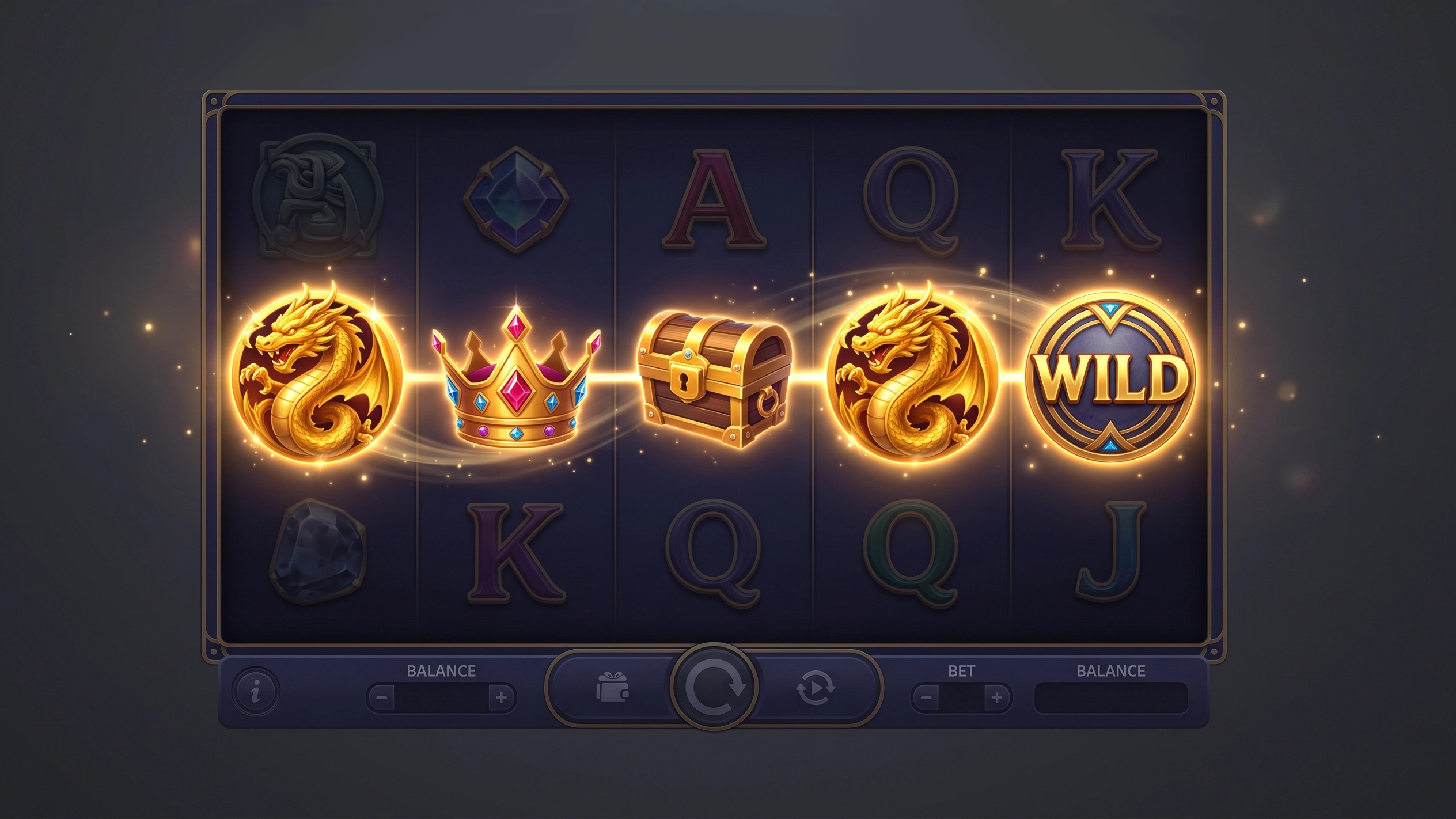
One of the most surprising characteristics of premium design is restraint.
Many lower-quality games attempt to impress players through constant visual intensity.
Everything glows. Everything animates. Everything competes for attention.
Premium games tend to be more selective.
They create contrast between normal gameplay and important moments.
Because not every event feels equally important, rewards become more impactful when they occur.
This controlled approach creates sophistication.
And sophistication often feels premium.
Animation Quality Matters More Than Animation Quantity
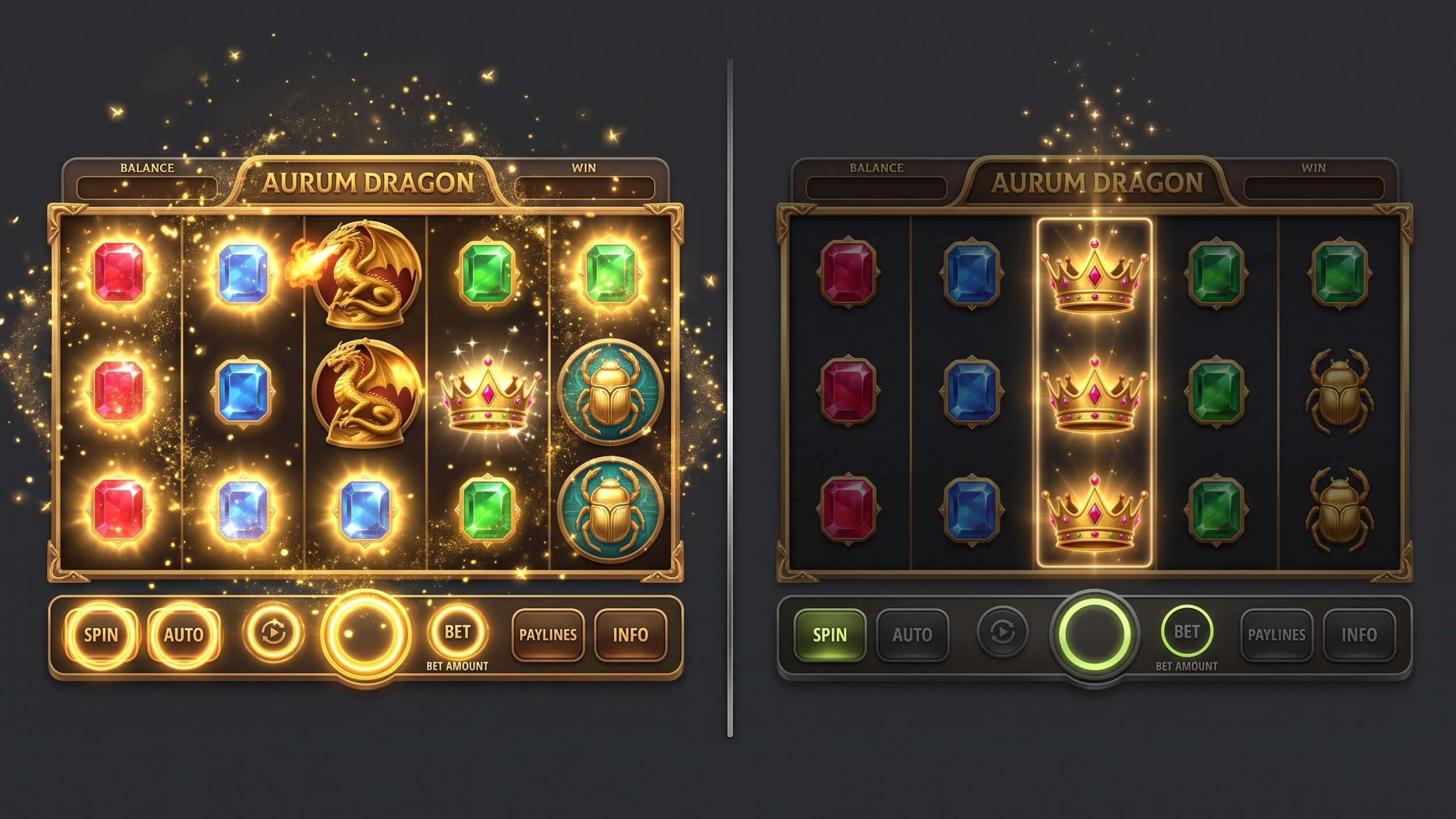
Animation is another area where more does not always mean better.
Premium games focus on animation quality, timing, and purpose.
Animations should:
- reinforce gameplay
- support readability
- create emotional feedback
- guide attention
Poorly timed or excessive animation can make a game feel chaotic rather than polished.
Players respond strongly to animation rhythm, even when they cannot explain why.
The best slot games use movement intentionally.
Sound and Visuals Must Work Together
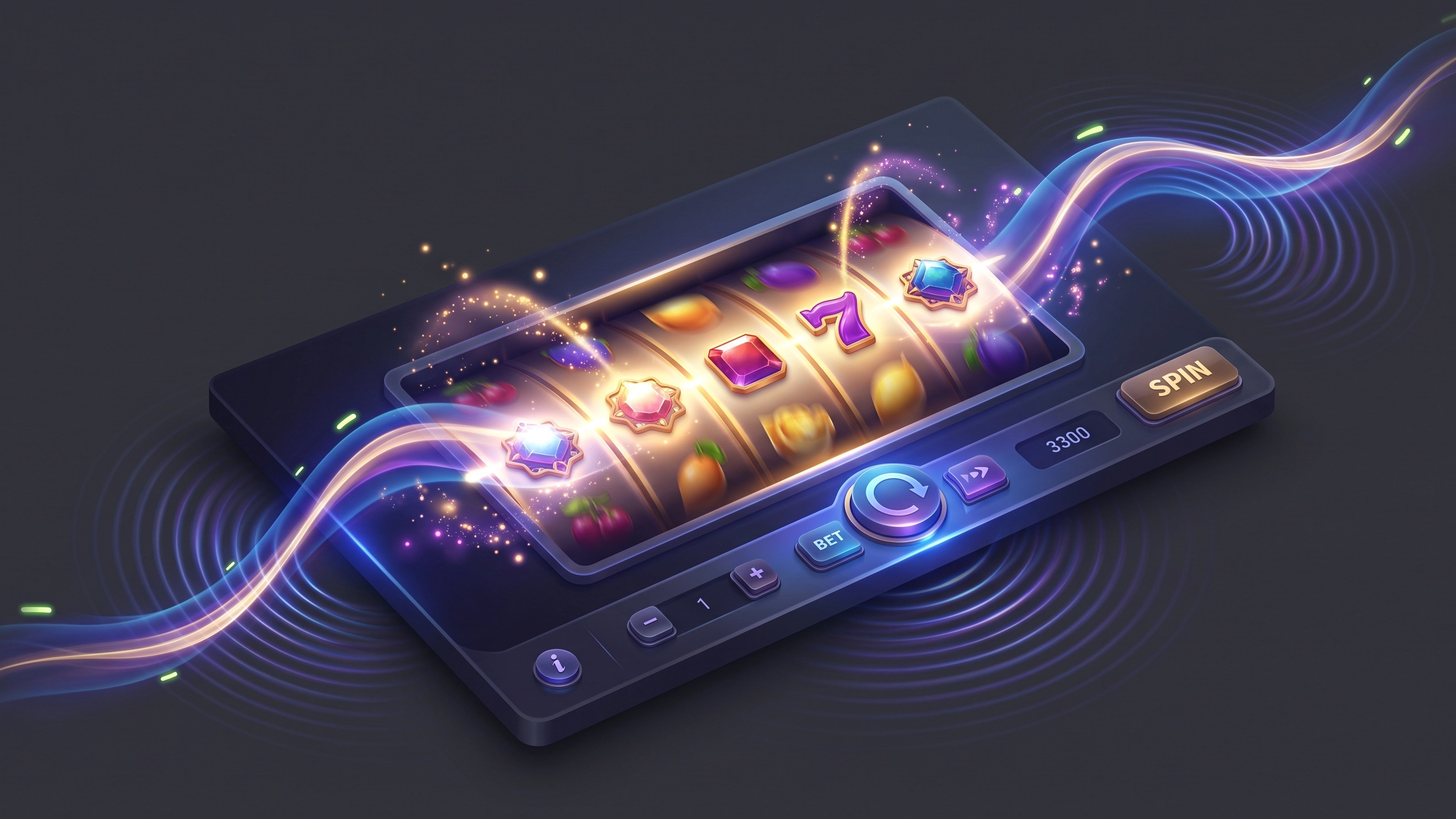
Premium perception isn't purely visual.
Audio plays a critical role.
A polished animation paired with weak sound design immediately loses impact. Likewise, strong audio cannot fully compensate for weak visual feedback.
The most premium slot experiences synchronize:
- reel stops
- win effects
- UI reactions
- bonus triggers
- reward moments
This synchronization creates a sense of responsiveness and quality.
The game feels alive.
Premium Games Respect Visual Hierarchy
Every screen contains information competing for attention.
Premium slots make these priorities obvious.
Players immediately understand:
- where to look
- what matters
- what happened
- what happens next
Strong hierarchy reduces confusion and improves flow.
This creates a smoother experience, which players often interpret as higher quality.
Poor hierarchy creates friction.
Premium design removes it.
Mobile-First Design Is Becoming Essential
Today, many players experience slot games primarily on mobile devices.
As a result, premium quality must survive smaller screens.
A game that looks impressive on desktop but loses readability on mobile no longer feels premium.
Modern premium slots are designed with mobile performance, spacing, contrast, and readability in mind from the start.
This improves both perception and usability.
Premium Design Supports Emotional Feedback
The strongest slot games understand that premium experiences are emotional experiences.
Players don't remember individual assets.
They remember how the game felt.
Did rewards feel exciting?
Did the interface feel smooth?
Did the visuals support anticipation and excitement?
Premium design enhances these emotional moments without overwhelming them.
The goal isn't to show more.
The goal is to make players feel more.
Why Premium Matters for Business Results
Premium perception affects more than aesthetics.
It influences:
- click-through rates
- player trust
- session quality
- retention
- brand perception
In crowded casino lobbies, players often make decisions in seconds.
Games that feel more polished and professional are more likely to earn attention.
This makes premium design a business asset rather than simply a creative objective.
Conclusion
What makes a slot game look premium isn't a single asset, effect, or budget figure.
It's the result of consistency, readability, strong art direction, effective lighting, thoughtful animation, and emotional clarity working together.
Premium games feel intentional.
Every visual decision supports the player experience rather than competing with it.
As visual standards continue to rise across the industry, creating premium experiences becomes less about adding more content and more about making better decisions.
Because players rarely judge a slot by the amount of work behind it.
They judge it by how it feels.


.svg)


