






Why Slot Art Scope Is Often Underestimated
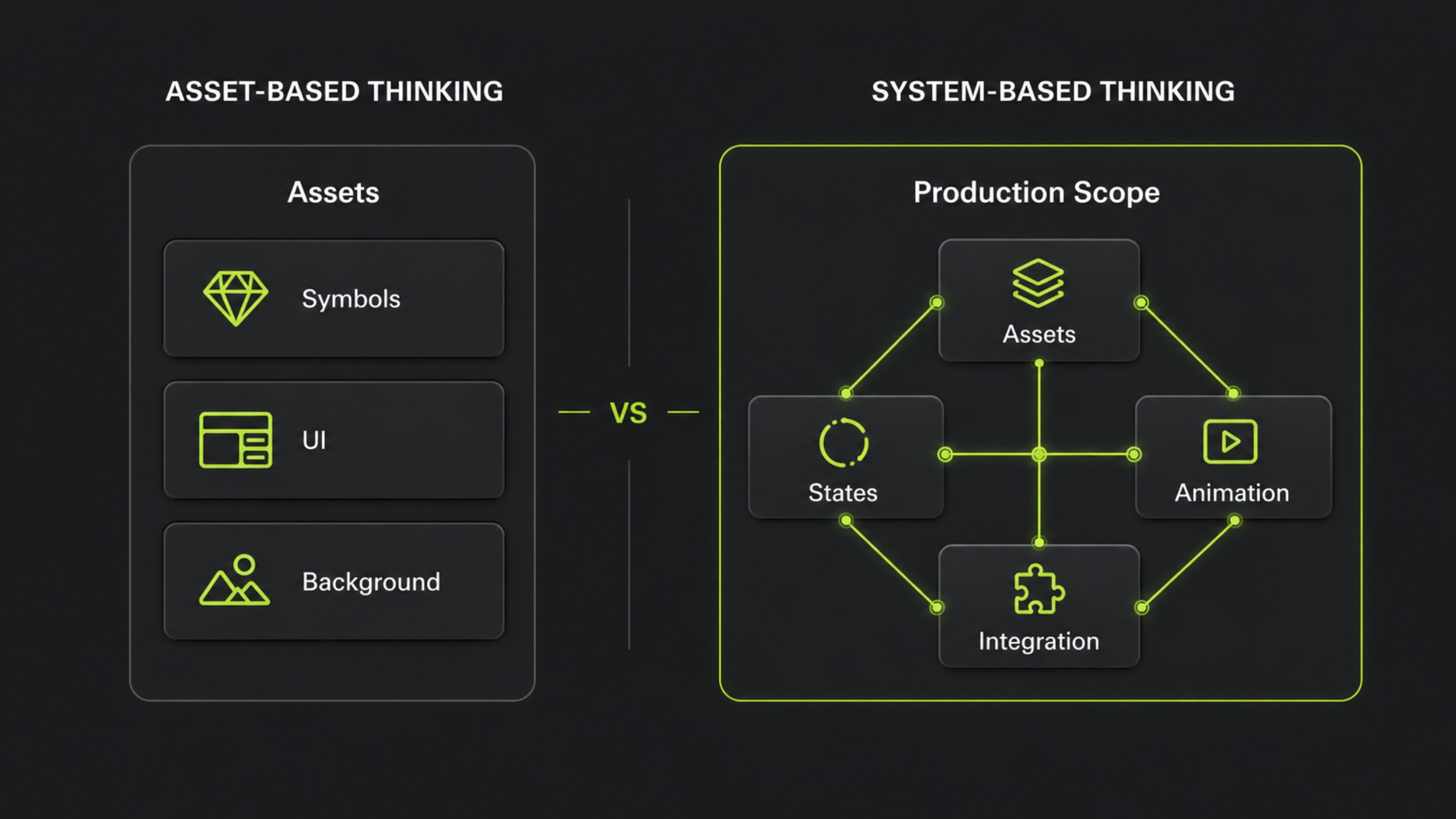
The main reason scope estimation fails is that slot game art is rarely just a collection of isolated assets.
Each element is connected to others. Symbols influence animation. UI affects layout and readability. Backgrounds impact contrast and player focus. And all of it needs to work within technical constraints.
When these dependencies are not considered early, scope is calculated too narrowly. What seems like a simple set of deliverables turns into a layered production process.
Another common issue is thinking in terms of “screens” instead of “systems.” A slot is not just a main screen with reels — it includes multiple states, transitions, and variations that require additional work.
Understanding What You Are Actually Estimating
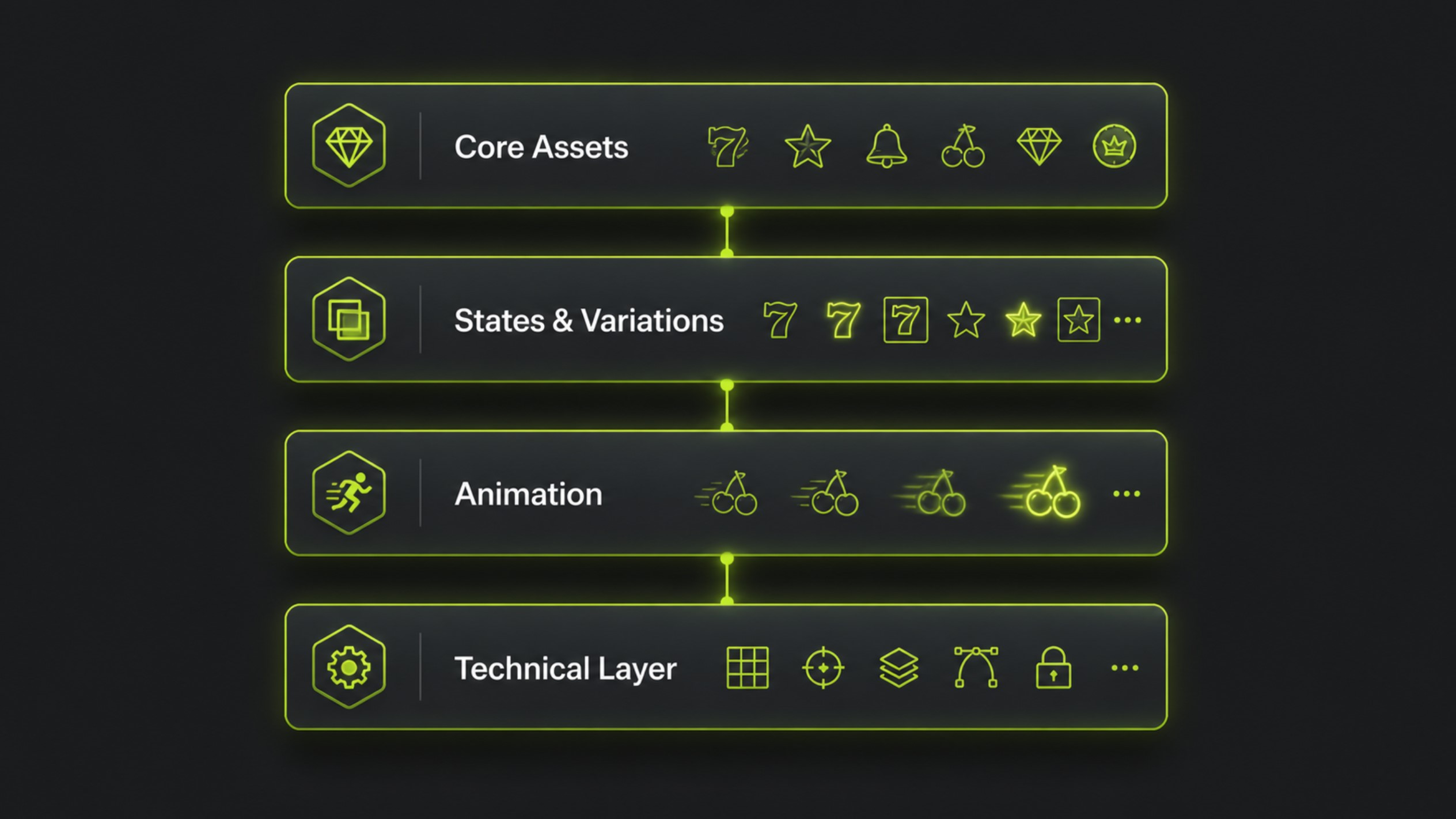
Before trying to estimate scope, it helps to reframe the question.
You are not estimating:
“how many assets do we need?”
You are estimating:
“how much production work is required to make this game function properly?”
This includes not only creating visuals, but preparing them for animation, integration, and different gameplay states.
Once this shift happens, scope becomes much clearer.
The Layers of Slot Game Art Scope
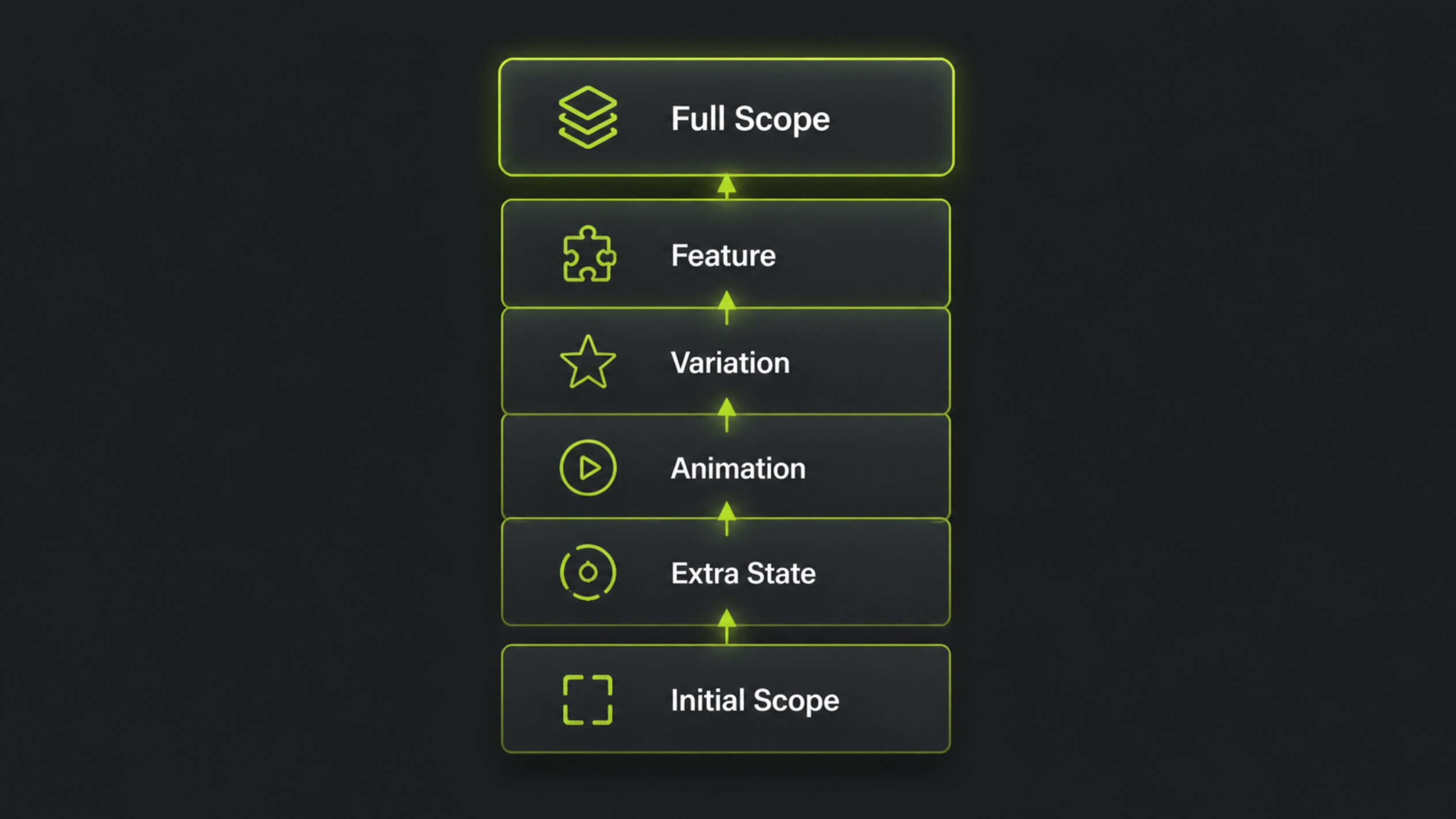
A realistic estimate starts by understanding that slot art exists in layers.
At the most visible level, there are the core assets — symbols, UI, and background. These are usually the first things teams think about, and they are often the easiest to define.
But behind that, there is another layer that tends to be overlooked: variations and states.
Symbols are not just static images. They may require win states, highlights, glow effects, or destruction animations. UI is not a single layout, but a system that responds to different interactions. Backgrounds may need to adapt for bonus modes or transitions.
Then comes the animation layer, which can significantly change the scope. A game with minimal animation behaves very differently from one where every element reacts dynamically.
Finally, there is the technical layer. This includes how assets are structured, how they are exported, and how they behave inside the engine. Even if this layer is invisible to the player, it has a direct impact on production time.
Where Scope Expands Without Being Noticed
Scope rarely explodes all at once. It grows gradually through small decisions.
A new feature is added. A symbol needs an extra state. A UI element requires animation that wasn’t planned. A background needs more depth to match the visual quality of other elements.
Individually, these changes seem minor. Together, they can shift the entire production timeline.
Another common situation is when animation is not defined early. Teams move forward with static assets, assuming animation will be added later. But when that stage begins, it becomes clear that the assets are not prepared for it, which leads to rework.
This is one of the most frequent causes of underestimation.
The Role of Clarity in Estimation
Accurate estimation is less about precision and more about clarity.
When the scope is clearly defined, even a rough estimate can be reliable. When it is vague, even detailed calculations tend to fail.
Clarity comes from answering a few key questions early:
What exactly needs to be created?
How should it behave?
Where will it be used in the game?
How will it be implemented technically?
If any of these questions remain open, the estimate will likely shift later.
Thinking in Terms of Production Stages
Another way to improve estimation is to think in stages rather than deliverables.
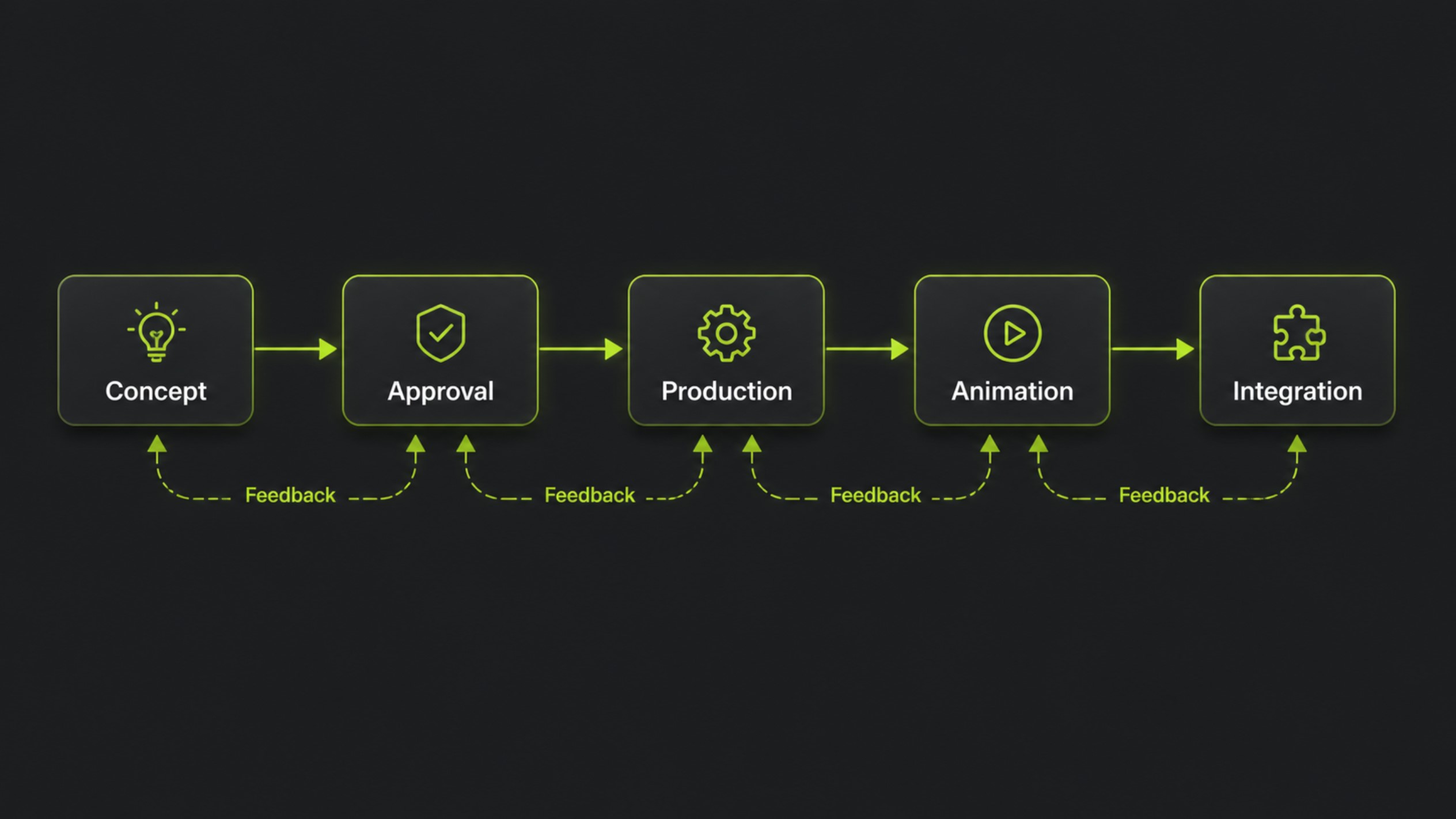
Slot art is not created in a single step. It moves through concept, approval, production, animation, and integration. Each stage adds time and complexity.
When teams estimate only the final output, they miss the effort required to move through these stages. Feedback loops, revisions, and alignment between teams all take time, and they should be considered part of the scope.
Why Underestimation Becomes Expensive
When scope is underestimated, the impact is not immediate. It appears gradually, as timelines stretch and pressure builds.
Teams begin to compensate by working faster, skipping steps, or reducing quality. Communication becomes reactive instead of planned. And decisions are made under time pressure rather than clarity.
In the end, the project still requires the same amount of work — but it is done less efficiently.
This is where underestimation turns into real cost.
A More Reliable Approach
Studios that estimate more accurately tend to approach scope differently.
They define the full set of assets and their states before production begins. They align on animation early instead of leaving it for later. They consider technical requirements as part of the creative process, not as a separate step.
Most importantly, they treat estimation as part of production planning, not as a quick preliminary task.
This doesn’t eliminate uncertainty, but it reduces the number of surprises.
Conclusion
Estimating slot game art scope is not about counting assets. It is about understanding how all parts of the game come together in production.
When scope is defined clearly, teams can plan realistically, communicate better, and move through production with fewer interruptions.
When it is not, even simple projects can become unpredictable.
In slot development, the goal is not to estimate perfectly. It is to estimate in a way that keeps production stable.
And that starts with understanding the full scope before the first asset is created.


.svg)


