






Speed Is a Result of Structure, Not Effort

A common reaction to delays is to push teams harder or add more resources. But in most cases, that only increases pressure without solving the root problem.
Production slows down when decisions are made too late, when scope is unclear, or when assets are not prepared for what comes next. These issues don’t appear at the start — they show up in the middle of production, when changes become expensive.
Teams that deliver faster tend to approach art planning differently. They focus less on “how fast can we create assets” and more on “how smoothly can these assets move through the pipeline.”
Planning Starts Before the First Asset
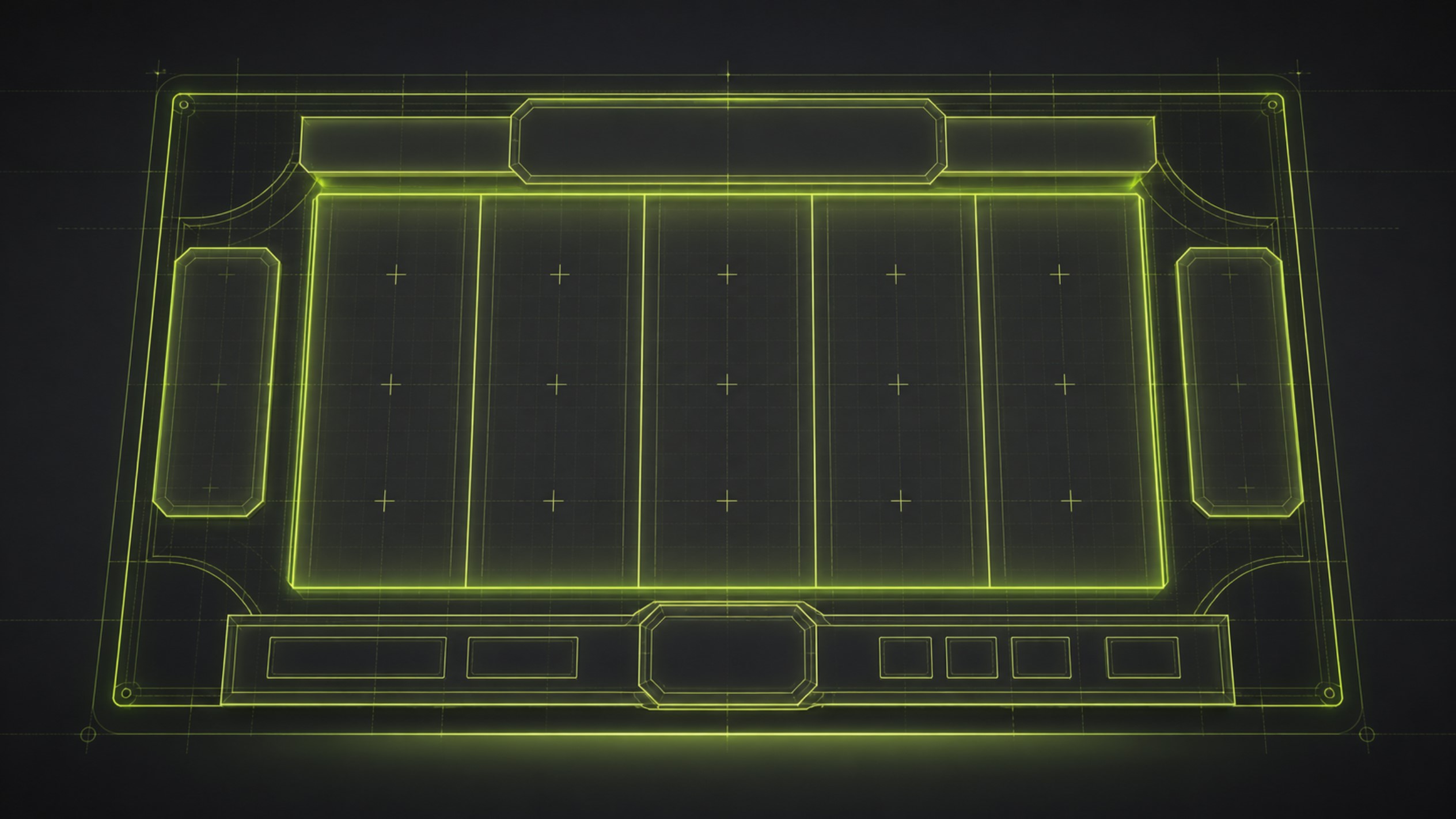
One of the biggest mistakes is treating art planning as something that happens after the concept is approved.
In reality, most production delays are already built into the project at that stage.
If animation is not considered early, assets will need to be reworked later. If technical constraints are not defined, integration will slow everything down. If UI structure is unclear, changes will cascade across multiple elements.
By the time these issues become visible, the timeline has already shifted.
Planning for speed means asking the right questions early, even before production begins.
Defining Scope as a System, Not a List
A slot game is often scoped as a list of deliverables — symbols, UI, backgrounds. While this is a useful starting point, it doesn’t reflect how the work actually behaves in production.
Each of these elements exists in multiple states. Symbols may require win animations or special effects. UI needs to respond to player actions. Backgrounds may change depending on the game mode.
When these layers are not defined upfront, the scope expands during production, and that expansion slows everything down.
Thinking in terms of systems rather than isolated assets makes the scope more predictable and reduces the number of unexpected additions later.
The Role of Early Animation Planning
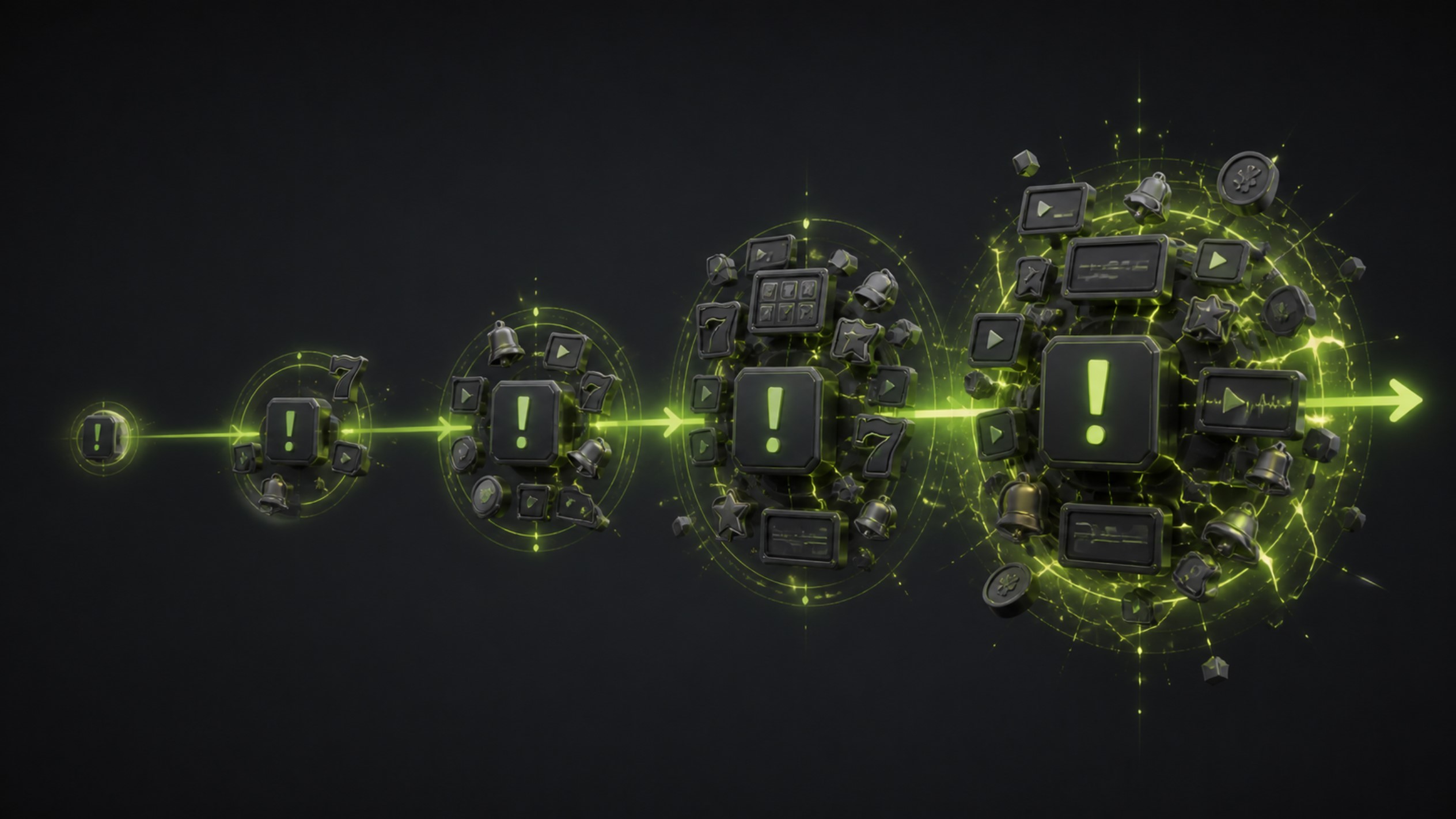
Animation is one of the biggest factors affecting both timeline and complexity, yet it is often treated as a later stage.
Teams move forward with static visuals, assuming animation will be added once everything else is ready. But when that moment arrives, it becomes clear that the assets were not prepared for motion. Layers are missing, elements are combined in ways that make animation difficult, and additional work becomes necessary.
This is where time is lost.
When animation is defined early — even at a conceptual level — assets can be structured correctly from the start. This doesn’t just improve quality; it removes the need for rework and keeps production moving forward.
Aligning Art with Technical Reality
Another source of delay comes from the gap between art and implementation.
Assets that look correct in design tools don’t always behave correctly in the engine. File sizes may be too large, formats may not align with requirements, or layouts may not adapt well to different screen ratios.
When these issues are discovered late, they require adjustments that affect multiple parts of the project.
Planning for faster delivery means bringing technical considerations into the process early. When art is created with integration in mind, the transition from design to development becomes much smoother.
Reducing Decision-Making During Production
Every unresolved decision becomes a potential delay.
When teams move into production without clear answers around style, behavior, or structure, they are forced to make those decisions later — often under time pressure.
This leads to hesitation, back-and-forth communication, and additional revisions.
Clear direction at the start reduces the number of decisions that need to be made during production. It creates momentum and allows teams to focus on execution instead of constant alignment.
Why Consistency Speeds Everything Up
Consistency is often associated with visual quality, but it also has a direct impact on speed.
When a project follows a clear visual system, artists spend less time interpreting direction, and assets align more naturally with each other. UI behaves predictably, animation follows established patterns, and the overall workflow becomes more efficient.
Without this consistency, each new asset becomes a separate problem to solve.
And that slows everything down.
The Real Cost of “Fixing Later”
One of the most common assumptions in production is that certain details can be fixed later.
In practice, “later” is where work becomes more expensive.
Changes made early are relatively simple. Changes made during animation or integration affect more parts of the system and require more coordination between teams.
Planning for speed means reducing the need for late-stage fixes. It’s not about doing more work upfront — it’s about doing the right work at the right time.
A More Reliable Way to Move Faster
Studios that consistently deliver faster tend to follow a similar pattern.
They define scope in terms of systems and states, not just assets. They align on animation and technical requirements early. They reduce ambiguity before production begins, instead of resolving it during execution.
This approach doesn’t eliminate complexity, but it makes it manageable.
And more importantly, it keeps the pipeline moving without unnecessary interruptions.
Conclusion
Faster time-to-market in slot game production is not achieved by speeding up individual tasks. It comes from removing friction across the entire process.
When art is planned with production, animation, and technical constraints in mind, teams can move forward with fewer surprises and fewer delays.
The goal is not to work faster.
It is to make sure nothing slows you down.


.svg)


